Overview
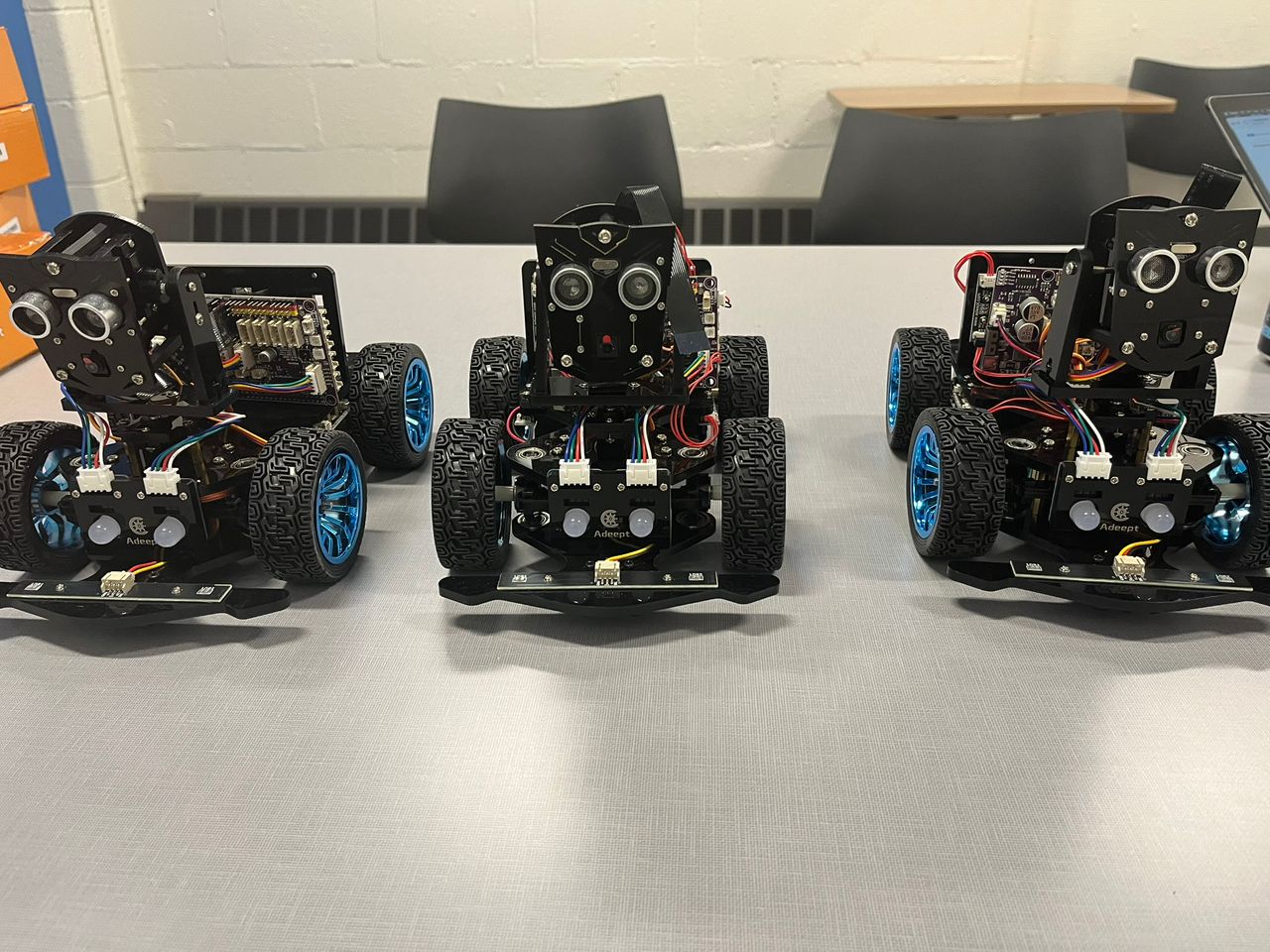
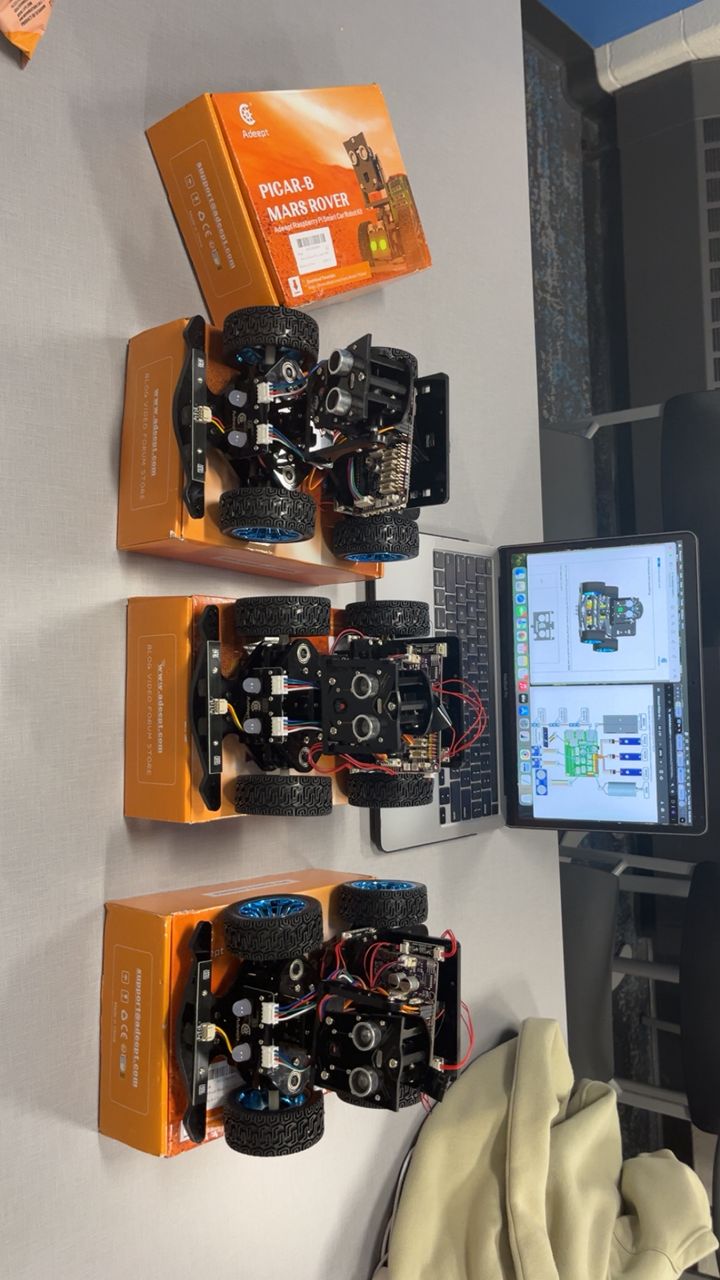
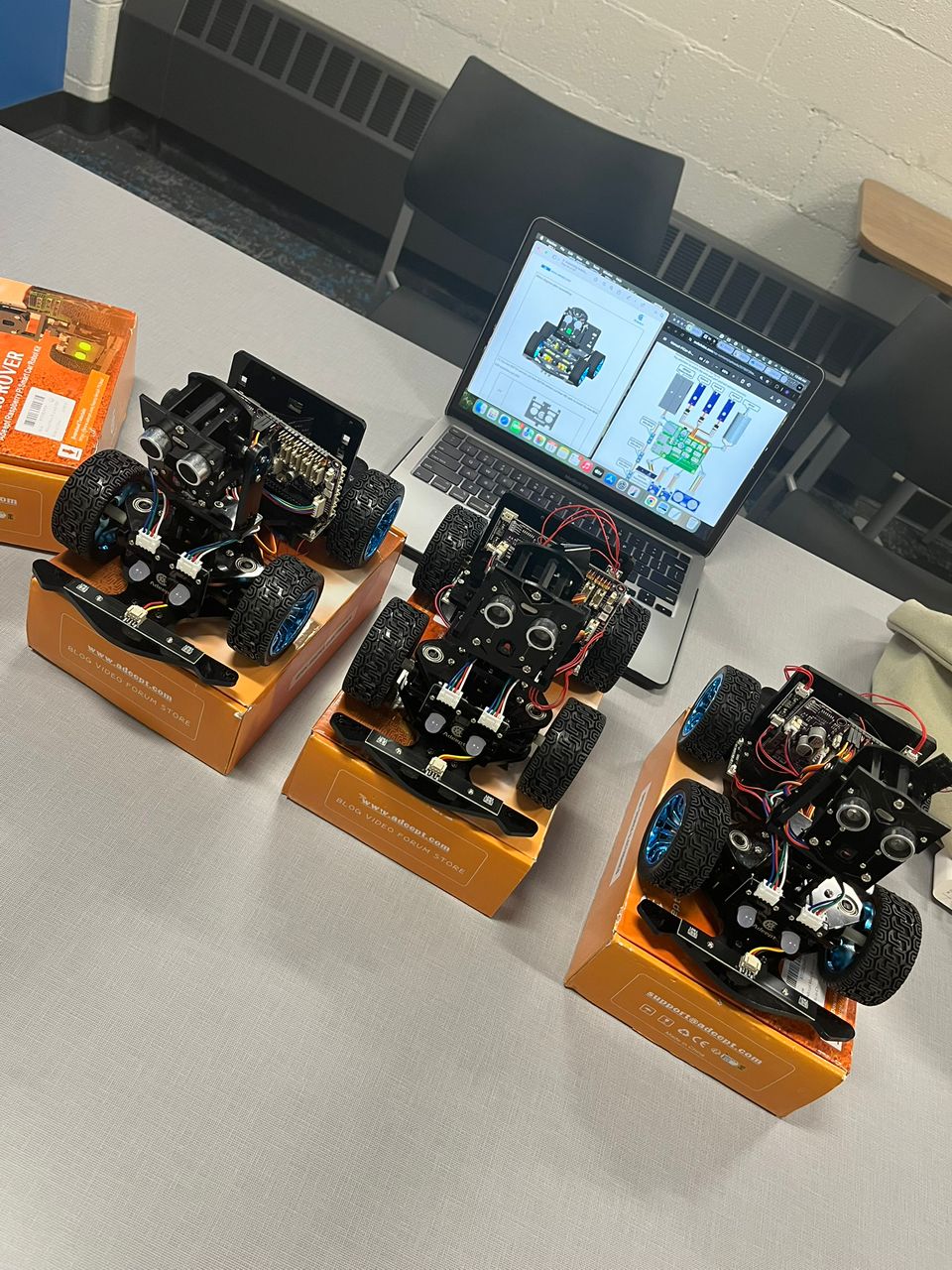
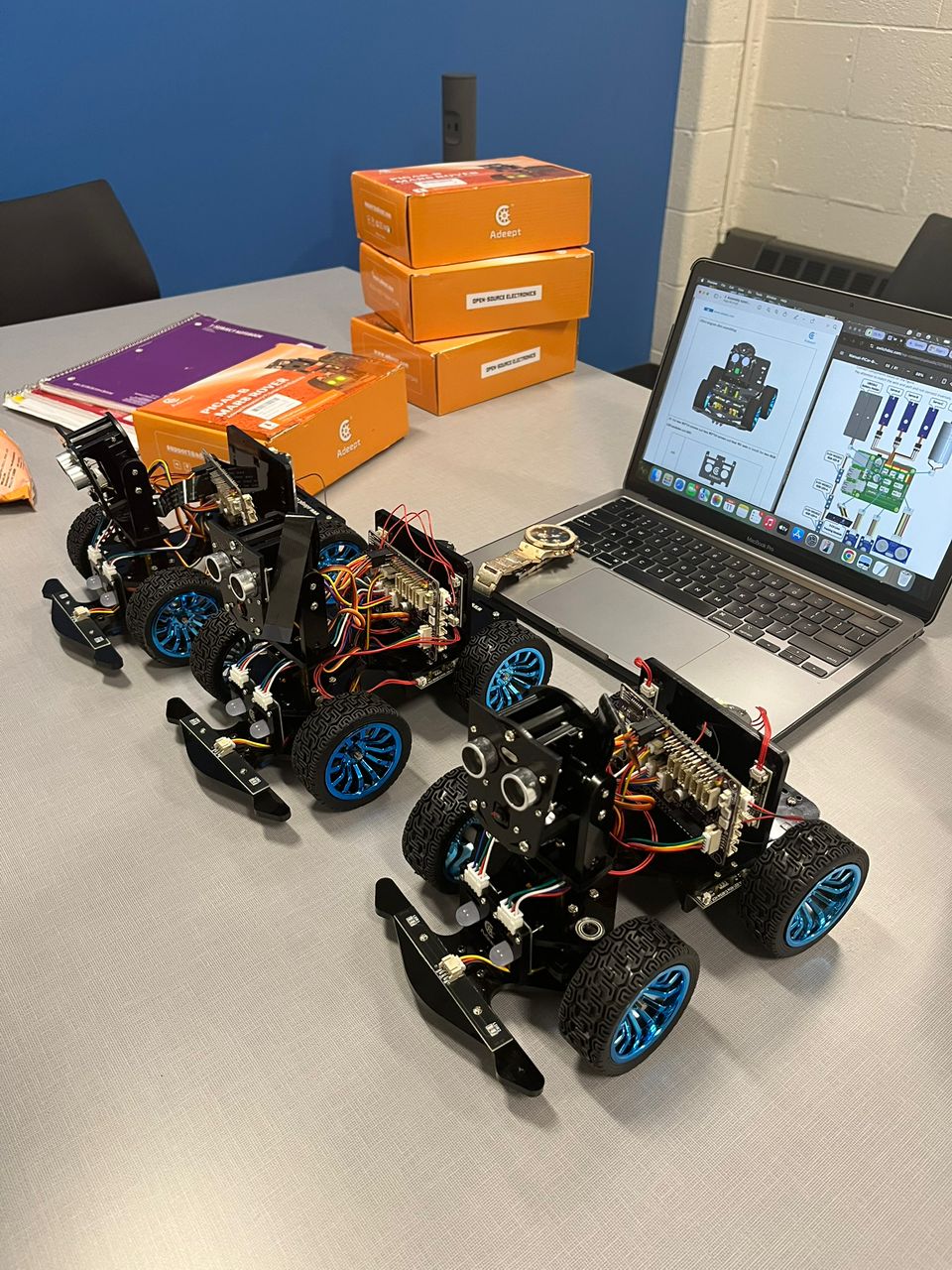
As a lab assistant, I assembled and integrated multiple autonomous robotic vehicle platforms for use in undergraduate robotics courses. Responsibilities included complete mechanical assembly, electrical integration, sensor wiring, and troubleshooting.
Challenge
Prepare fully functional autonomous robot car kits (PiCar-B / Mars Rover style platforms) for classroom use, combining mechanical assembly with embedded systems integration.
Hardware
- • Ultrasonic sensors
- • Motor drivers (L298N)
- • Microcontroller / Raspberry Pi boards
- • Chassis and drivetrain components
- • Power distribution systems
- • Wiring and connectors
Software & Approach
- • Hardware configuration for Raspberry Pi
- • Motor driver setup
- • Sensor calibration
- • System testing protocols
Challenges Faced
- ⚠ Ensuring consistent assembly quality across multiple units
- ⚠ Troubleshooting connection issues before deployment
- ⚠ Managing component sourcing and organization
- ⚠ Testing and validation for classroom safety
Key Learnings
- ✓ Mechanical assembly best practices
- ✓ Electrical wiring and power distribution
- ✓ Multi-unit production and quality control
- ✓ Hardware troubleshooting and diagnostics
- ✓ Documentation for lab deployment
Outcomes
- → Successfully assembled and deployed multiple fully functional robotic platforms
- → Created documentation for student use and troubleshooting
- → Enabled hands-on learning for obstacle avoidance and embedded systems experimentation
Results
Successfully assembled and integrated complete robotic platforms combining mechanical, electrical, and embedded systems components. These systems are used by students for programming, obstacle avoidance, and embedded systems experimentation.